Bowling Shoes
Spec-backed bowling shoe reviews, picks by fit and slide style, and the guidance that turns a clean release into a foul-line stumble or a tournament-ready slide.
Four bowling shoes every league bowler should consider.
Picked for distinct fit and slide situations — not by commission rate. Soles, lacing, watch-outs, and full reviews behind each.

Dexter SST 8 Pro
The S8/H8 interchangeable sole system is the bowling industry's reference standard. Full leather upper, traditional lacing, the shoe pro shops reach for when a serious league bowler wants one pair that fades into the background for 5+ seasons.
Watch-out: Upper feels stiff for the first few sessions. Locked into Dexter's sole/heel ecosystem — parts don't cross-brand. If you want BOA convenience, see the Power Frame BOA variant in the men's guide.
- Lacing: Traditional
- Soles: Fully interchangeable (S8/H8)
- Upper: Full leather
- Owner reports: 5-7 years regular use
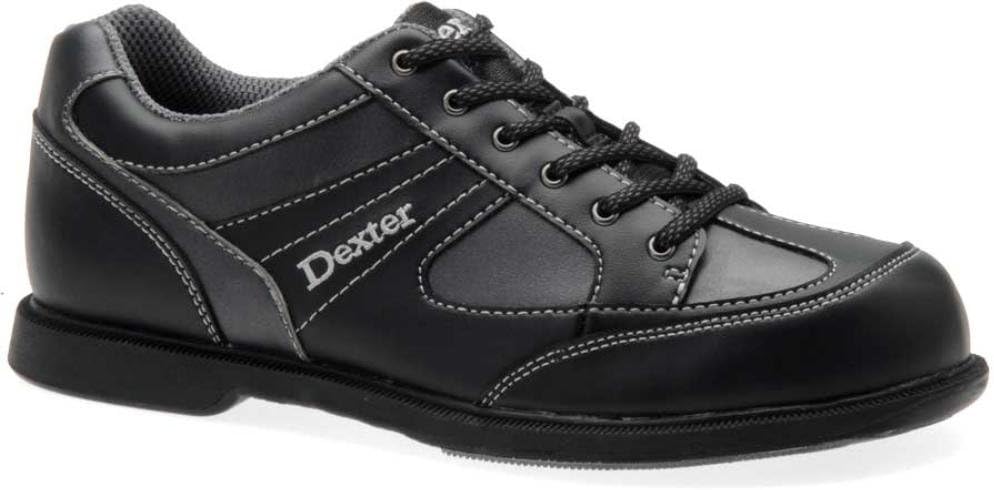
Dexter Pro Am II
The most-recommended first pair in pro shops nationwide. Universal slide soles on both feet, comfortable upper, sized true to street shoe — exactly what a new league bowler needs to escape rental fees.
Watch-out: Fixed slide soles — you will outgrow this shoe in 1-2 seasons if you start playing different lane conditions.
- Lacing: Traditional
- Soles: Universal slide
- Hand: Works either side
- Use: Casual through entry-level league

Hammer Razor
The benchmark athletic-styled bowling shoe. Real interchangeable sole system inside a wrapper that bowlers from running, basketball, or training-shoe backgrounds can lace up without feeling like they're in costume. Athletic styling without compromising bowling sole engineering.
Watch-out: Mesh panels are the wear point in damp centres. Lighter weight is a real upside; long-term durability is shorter than full-leather rivals.
- Lacing: Traditional
- Soles: Interchangeable (slide + brake)
- Upper: Synthetic + mesh panels
- Style: Modern athletic

Brunswick Fanatic
The gateway into the interchangeable-shoe world for league bowlers in their second or third season. Real swappable slide and brake soles at roughly half the price of top-tier Dexter or KR — the bowler who outgrew universal slide but isn't ready for tournament money.
Watch-out: Synthetic upper doesn't break in like leather. Fit precision and 5+ year durability are at top-tier shoes, not here — this is the price-conscious step up, not the final shoe.
- Lacing: Traditional
- Soles: Interchangeable (slide foot)
- Upper: Synthetic leather
- Owner reports: 3-4 years regular use
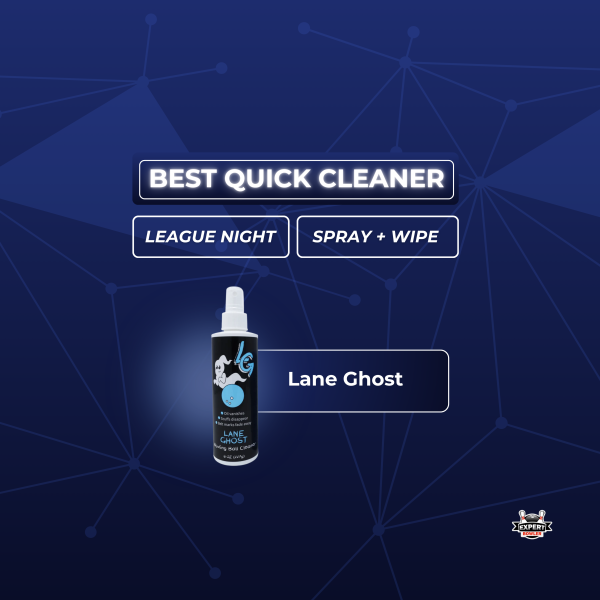
The rest of the kit
The gear that pairs with the picks above - round out your setup in one go.


Reviews built on sources, not sponsorship.
Every shoe pick is evaluated against pro-shop fitter input, multi-year owner reports, and verified league-bowler feedback across the target bowler type. We don't accept payment for higher rankings. Read our editorial standards.
Find the right bowling shoes.
Routes into our coverage — by bowler type, fit needs, or performance level.
Best Bowling Shoes 2026
Top 10 picks by fit, slide style, and bowler type — the complete buying guide.
Open guide →Best Performance Shoes
Tournament-grade picks — Dexter SST 8 Pro, KR TPC Hype, ELITE Predator. The 5-year shoes.
Open guide →Best Shoes for Men
Performance and budget picks built for league nights and tournament play.
Open guide →Best Shoes for Beginners
First-pair picks from the most-recommended pro shop brands — escape rental fees.
Open guide →Best Athletic Shoes
For bowlers from running, basketball, or training backgrounds — modern styling.
Open guide →Best Shoe Brands
Honest breakdown — Dexter, Hammer, Brunswick, 3G, Linds. What each brand does best.
Open guide →Recently reviewed bowling shoes.
Fresh shoe reviews — fit notes, slide-sole observations, and buying guidance.
Best Bowling Shoes 2026: Top 10 Picks by Fit, Slide Style, and Bowler Type
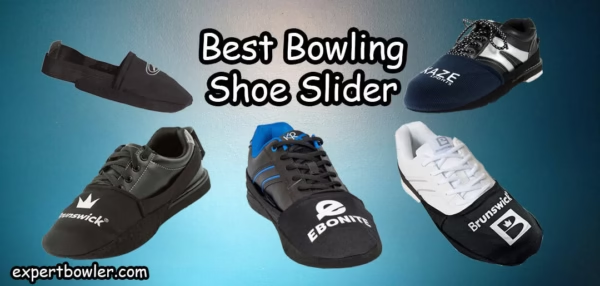
Best Bowling Shoe Sliders 2026: 4 Picks for Better Glide
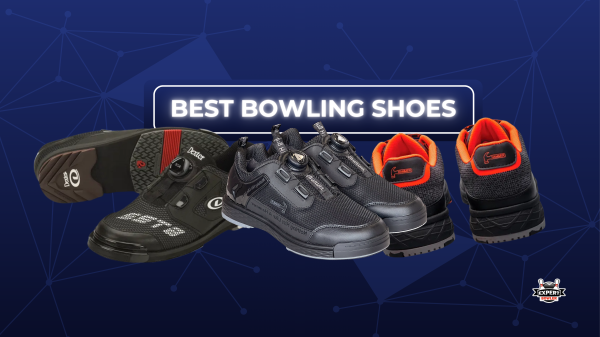
Best Bowling Shoes for Men (2026): Performance vs Budget Picks
Best Performance Bowling Shoes of 2026: Tournament-Grade Picks
Best Bowling Shoes for Wide Feet 2026: True-Fit Editor’s Picks
Best Bowling Shoe Brands 2026: Honest Brand Breakdown
Common bowling shoe questions.
Quick answers — sizing, slide soles, BOA lacing, brand differences, and care.
Do I really need bowling shoes if I bowl once a week?
Yes — once you bowl regularly, your own pair pays back the rental fees in 8-12 sessions and your slide is consistent every night. Rentals are designed for occasional use and never give you the same feel twice.
What is the difference between universal and interchangeable slide soles?
Universal soles are fixed — one slide setting, works for either hand. Interchangeable soles can be swapped to match different approach conditions (sticky synthetic, slick wood). Interchangeable shoes cost more but let you adjust your slide on different lane surfaces.
Is BOA dial lacing worth it?
For serious league bowlers who want fast, precise fit adjustment between games, yes. BOA locks the fit better than traditional laces and saves time. For casual bowlers, traditional laces work fine and cost less.
How do I size bowling shoes when buying online?
Most reputable brands run true to street-shoe size — Dexter, Hammer, Brunswick all size standard US. If between sizes, go up half a size for comfort over three games. Wide feet should look at EE-width options (most Dexter models offer them).
How long do bowling shoes last?
Universal-sole shoes last 1-3 league seasons with regular use. Interchangeable shoes can last 5+ seasons because you replace only the worn slide soles, not the whole shoe. Leather uppers (3G Racer, etc.) outlast synthetic uppers significantly.
Why do bowling shoes have different soles on each foot?
For right-handed bowlers, the left foot slides and the right foot pushes off. Left foot has a smooth slide sole; right foot has a traction sole. Left-handed shoes are mirrored. Universal shoes have slide on both feet (work either hand but compromise on push-off).
Should women buy women's-specific bowling shoes?
Generally yes — women's lasts are narrower through the heel and shaped differently. Unisex shoes work but often need tightening to lock in the fit. Most performance brands (Dexter, Hammer) now offer dedicated women's versions of their flagship models.
Can I bowl in athletic shoes?
No — sports halls require bowling-specific shoes for the approach because regular shoes can damage the wood/synthetic surface and the rubber soles will stick and cause injury. Rental shoes are always available, but a cheap personal pair beats rentals long-term.
How bowling shoes actually work.
The fundamentals — slide soles, sizing, and the care that keeps shoes alive for years.
How Slide Soles Work
Why interchangeable soles change everything — and when you really need them.
Read →Bowling Shoe Sizing Guide
Width, half-size up or down, BOA vs traditional — how to nail the fit on a first online order.
Read →Shoe Care & Longevity
Why slide soles wear out, how to clean uppers, and storage that keeps shoes alive 5+ seasons.
Read →More than bowling shoes.
Browse our shoe reviews and buying guides above. For balls, bags, accessories, and technique see our other editorial hubs.
Start with the full shoes buying guide →